Acne scars
Uneven skin texture and scars after acne can be softened with microneedling and PRP, which stimulate the skin's own collagen production.
How the treatment works
- 1
Free consultation
We assess your skin and goals and suggest a plan that suits you.
- 2
The treatment
Microneedling, PRP or a combination, tailored to your skin.
- 3
Your skin's own healing
The treatment stimulates your skin's own healing and collagen formation.
- 4
Results over a series
The effect builds gradually over several treatments and maintenance.
Acne scars form when inflammatory acne has damaged the skin deeply and the collagen has healed unevenly. The result is an uneven skin texture, often depressed scars, enlarged pores and an uneven tone. Many find it shows most in side lighting and in photos.
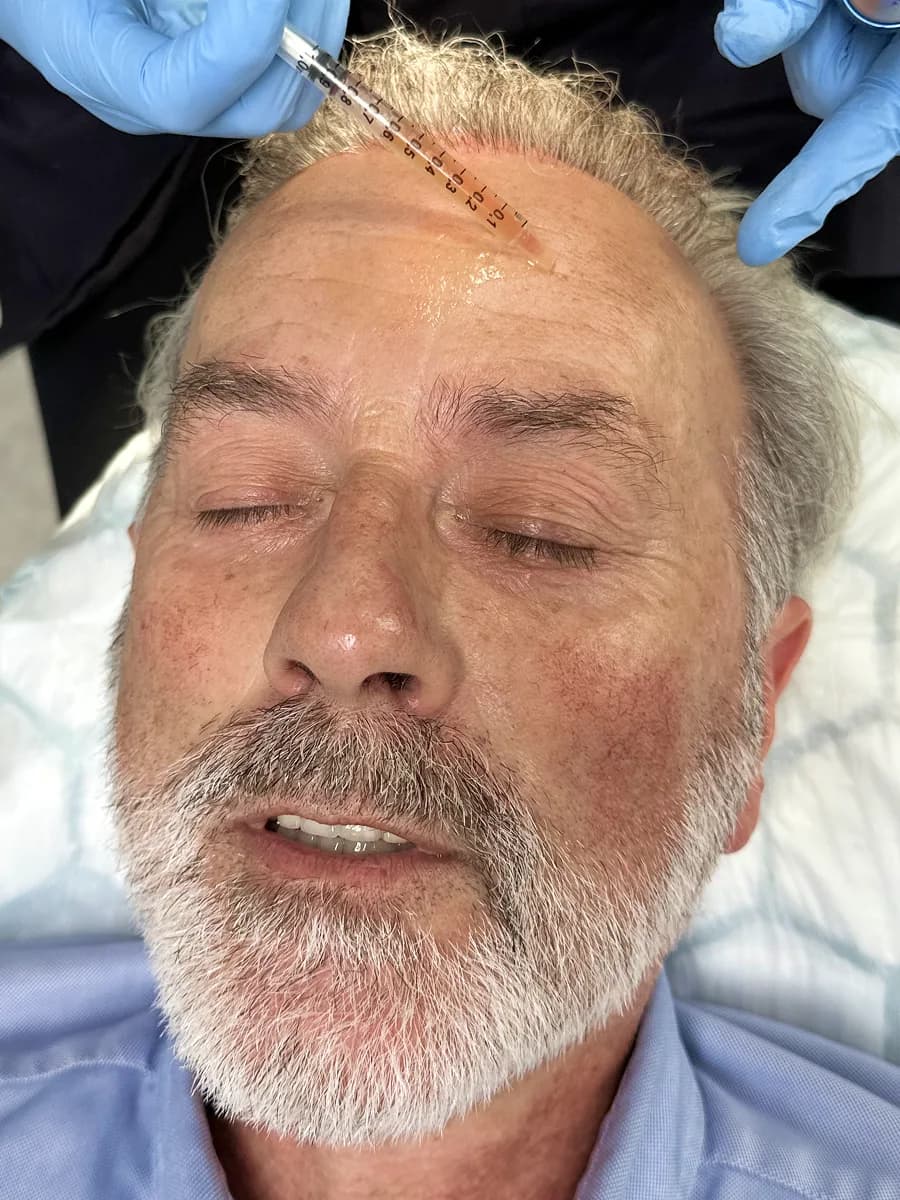
Microneedling is one of the most effective treatments for atrophic (depressed) acne scars. With fine needles we create micro-channels in the skin that trigger the body's own healing and collagen production. As the skin builds new collagen, the scars are gradually filled from below and the surface evens out. The effect is enhanced if we combine with PRP, your own blood plasma rich in growth factors, which speeds up healing and boosts the result.
Realistic expectations matter: acne scars can rarely be removed completely, but they can often be softened and made considerably less visible. The result builds up over a series of treatments, since collagen takes time to form. Most people see clear improvement after 3-4 treatments a few weeks apart.
At a free consultation we assess your skin type and your scars and suggest a plan that suits, often microneedling, ideally combined with PRP.
Read more about microneedling for acne scars or book a free consultation.